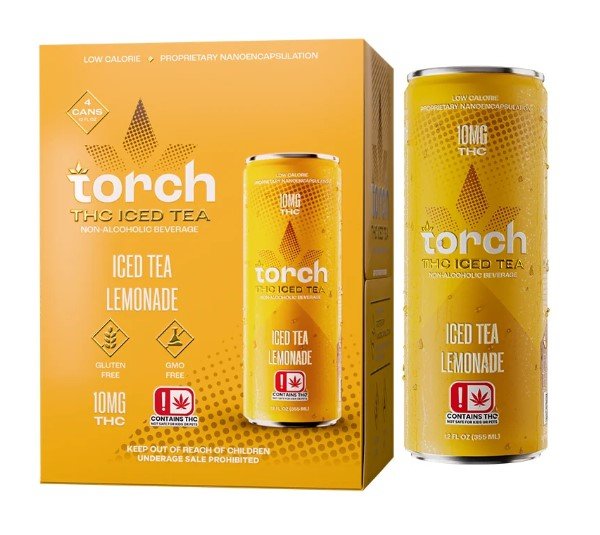
The development of hemp-derived beverages involves more than combining ingredients to create a refreshing drink. Flavor chemistry plays an important role in determining how different ingredients interact, how aromas are perceived, and how the finished beverage maintains its intended taste. From fruity and citrus-inspired profiles to herbal and botanical blends, beverage developers use food science principles to create distinctive formulations.
As interest in hemp infused drinks continues to grow, flavor development and ingredient compatibility have become important areas of product innovation. Understanding flavor chemistry also helps explain how manufacturers approach sweetness, acidity, aroma, and cannabinoid-related formulation challenges when developing modern beverages.
Understanding Flavor Chemistry in Hemp-Derived Beverages
Flavor chemistry examines the compounds responsible for taste and aroma and how they interact within a food or beverage formulation. In hemp-derived drinks, these interactions can be particularly important because hemp ingredients may have distinctive botanical characteristics.
The Relationship Between Taste and Aroma
Taste and aroma work together to shape how people perceive a beverage. Taste primarily involves sensations such as sweetness, sourness, bitterness, and saltiness, while aroma is associated with volatile compounds detected through the sense of smell.
Hemp-derived ingredients may contribute earthy, herbal, or plant-like characteristics. Beverage developers consider these natural profiles when selecting complementary ingredients.
For example, citrus-inspired flavors may create a different sensory balance from berry or tropical fruit profiles. Understanding this relationship helps explain the formulation considerations behind torch hemp drinks and other hemp-derived beverage categories.
How Hemp Ingredients Influence Flavor
Hemp-derived ingredients can have distinctive sensory characteristics depending on their composition and processing history. Some may introduce herbal or earthy notes that influence the overall flavor profile of a beverage.
These characteristics require consideration when developing a balanced formulation. Flavor ingredients, sweeteners, and acidity regulators may contribute different sensory properties, but their interactions must be evaluated as part of the complete beverage.
For hemp infused drinks, manufacturers should also distinguish between the natural characteristics of hemp ingredients and the flavors introduced through separately declared ingredients. Clear product information helps communicate these differences.
The Role of Flavor Ingredients in Beverage Development
Flavor development involves selecting ingredients that work together to create a recognizable and consistent sensory profile. The formulation process considers sweetness, acidity, aroma, and the characteristics of the beverage base.
Fruit and Citrus Flavor Profiles
Fruit and citrus flavors are common directions in beverage development because they offer a wide range of sensory characteristics. Lemon, lime, orange, strawberry, watermelon, and mixed berry are examples of profiles used across the beverage industry.
Each profile contributes different characteristics. Citrus flavors are often described as bright and tangy, while berry-inspired options may have sweeter and more rounded descriptions.
Manufacturers developing hemp infused drinks consider how these flavors interact with the botanical characteristics of hemp-derived ingredients. The objective is to create a recognizable flavor profile supported by accurate ingredient descriptions.
Sweetness and Acidity Balance
Sweetness and acidity are important components of beverage formulation. Sweeteners influence the overall taste, while food acids can introduce tartness and help create a more defined flavor profile.
For example, a lemon-inspired drink may use a different balance of sweet and sour characteristics from a tropical fruit beverage. The choice of ingredients also depends on the beverage’s complete composition and intended specifications.
Flavor development for torch hemp drinks therefore involves evaluating more than individual ingredients. Manufacturers must consider how sweetness, acidity, aroma, and the beverage base work together.
Understanding Terpenes and Their Contribution to Beverage Aroma
Terpenes are naturally occurring aromatic compounds found in many plants, including hemp. They contribute to the characteristic scents associated with herbs, flowers, citrus fruits, and other botanical materials. Their presence can influence the aromatic descriptions used for hemp-derived beverages.
Common Terpenes and Their Aromatic Characteristics
Different terpenes contribute different aromatic characteristics. Their combinations can create distinctive sensory profiles that influence how botanical ingredients are described.
Common examples include:
- Myrcene, associated with earthy and herbal aromas.
- Limonene, commonly associated with citrus notes.
- Pinene, recognized for its pine-like scent.
- Caryophyllene, associated with spicy and peppery characteristics.
- Linalool, often described as floral.
The relative composition of these compounds can vary between hemp-derived ingredients. Understanding these differences helps beverage developers evaluate potential flavor combinations.
Managing Botanical Flavor Complexity
Botanical ingredients can introduce complex aromatic characteristics that interact with other formulation components. A beverage containing hemp-derived ingredients may have a different sensory profile from one developed using only conventional fruit flavors.
Manufacturers evaluate the complete formulation to understand whether individual aromatic characteristics complement one another. Ingredient compatibility, flavor stability, and accurate labeling are important considerations.
When exploring torch hemp drinks, product descriptions and ingredient information can help clarify the intended flavor characteristics without relying solely on broad promotional terminology.
Challenges in Hemp-Derived Beverage Formulation
Developing a consistent beverage requires attention to several technical considerations. Flavor is only one part of the process, as ingredient compatibility, physical stability, and product composition also influence the finished formulation.
Ingredient Compatibility and Beverage Appearance
Hemp-derived ingredients may interact differently with water-based beverage formulations than conventional soluble ingredients. Their physical properties can influence appearance, distribution, and overall formulation consistency.
Manufacturers evaluate ingredient compatibility to understand whether the finished beverage maintains its intended characteristics. Relevant considerations may include clarity, color, uniformity, and the presence of visible separation.
These factors are particularly important when developing hemp infused drinks because product appearance can be an important part of the overall presentation. Clear product specifications help establish consistent quality expectations.
Maintaining Flavor Consistency
Flavor consistency can be affected by ingredient variations, manufacturing conditions, and storage environments. Changes in temperature, exposure to light, and packaging conditions may influence the aromatic characteristics of a finished beverage.
Manufacturers use documented specifications and quality assessments to monitor product consistency.
Important quality considerations include:
- Ingredient identification and verification.
- Flavor profile documentation.
- Batch-level quality records.
- Packaging compatibility.
- Appropriate storage specifications.
These practices help support more consistent product characteristics across production batches.
How Flavor Innovation Is Shaping the Beverage Category
Consumer interest in different beverage experiences continues to influence product development. Manufacturers are exploring fruit combinations, botanical profiles, and other flavor directions while considering formulation requirements and ingredient transparency.
Exploring New Beverage Flavor Combinations
Modern beverage development includes a wide range of flavor combinations. Tropical fruit, citrus blends, berry combinations, and botanical-inspired profiles provide opportunities for product differentiation.
For example, a mango and citrus combination may offer a different aromatic direction from a berry and herbal formulation. However, the final characteristics depend on the complete ingredient composition.
Torch Hemp operates within the hemp and cannabis product marketplace, where flavor variety and product transparency are important areas of interest. Clear product descriptions help consumers understand the characteristics of different beverage categories.
Conclusion
Flavor chemistry plays an important role in developing hemp-derived drinks by explaining how taste, aroma, terpenes, sweeteners, and acidity interact. These principles help manufacturers evaluate ingredient compatibility and develop beverage formulations with recognizable sensory characteristics.
As interest in hemp infused drinks grows, attention to flavor consistency, botanical ingredients, and transparent product information remains important. From fruit-inspired combinations to herbal and citrus profiles, beverage innovation depends on understanding both the chemistry of ingredients and the characteristics of the finished product.
Torch Hemp operates in a marketplace where product variety and accurate descriptions matter. Understanding flavor chemistry provides valuable insight into the science and formulation considerations shaping the development of modern hemp-derived beverages.