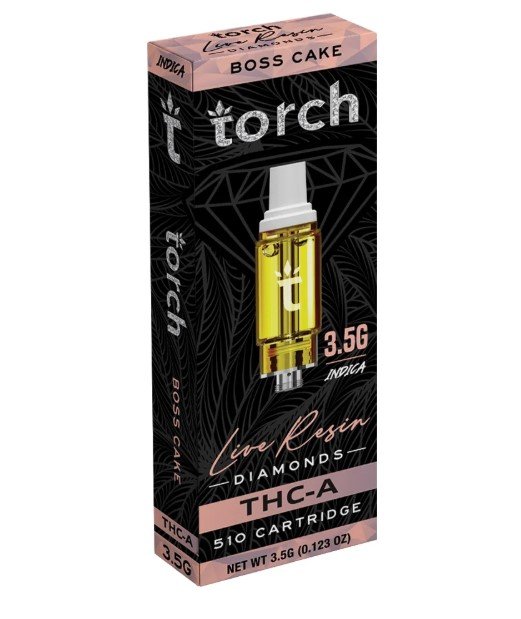
The aroma and flavor of cannabis are among the most recognizable characteristics used to describe different varieties. While cannabinoid content often receives attention, terpenes also play an important role in shaping the sensory identity of cannabis products. These naturally occurring aromatic compounds contribute to the distinctive scents and flavor notes associated with different cannabis varieties, including indica.
Understanding terpene profiles can help explain why one indica cannabis flower may have earthy, woody characteristics while another features sweet, citrusy, or floral notes. For consumers exploring cannabis varieties or looking to shop indica online, learning about terpenes provides useful context for comparing product descriptions and understanding differences between available options.
Understanding Terpenes in Indica Cannabis Flower
Terpenes are naturally occurring aromatic compounds found in many plants, including cannabis. They contribute to the distinctive fragrances of herbs, fruits, flowers, and other botanical materials. In cannabis, the combination and relative abundance of different terpenes help create the recognizable aromatic characteristics associated with individual varieties.
What Are Cannabis Terpenes?
Terpenes are compounds produced by plants that contribute to their natural aromas. In cannabis, they are commonly associated with the plant’s trichomes, which are small structures found on flowers and other plant surfaces.
Different terpene combinations can create a wide range of aromatic characteristics. Some varieties have noticeable herbal or earthy notes, while others feature citrus, pine, floral, or sweet aromas.
Common cannabis terpenes include:
- Myrcene, often associated with earthy and herbal aromas.
- Limonene, commonly described as citrus-like.
- Caryophyllene, associated with spicy and peppery notes.
- Pinene, recognized for its fresh, pine-like scent.
- Linalool, often described as floral.
These compounds contribute to the aromatic diversity found across indica varieties.
Why Terpene Profiles Differ Between Varieties
Not every indica variety has the same terpene composition. Genetic characteristics, cultivation conditions, environmental influences, and post-harvest handling can all contribute to differences in aromatic profiles.
For example, two varieties may share an earthy fragrance but differ in their secondary notes. One might have a noticeable herbal character, while another could feature subtle citrus or spice.
This variation explains why indica cannabis flower cannot be described through a single aroma category. Examining individual terpene information provides a more detailed understanding of what distinguishes one variety from another.
How Different Terpenes Shape Aroma and Flavor
Terpene combinations influence the sensory characteristics used to describe cannabis varieties. Rather than relying on a single compound, aromatic profiles are generally understood through the interaction of multiple naturally occurring compounds.
Myrcene and Earthy Aromatic Characteristics
Myrcene is one of the commonly discussed terpenes in cannabis. It is frequently associated with earthy, herbal, and musky aromatic descriptions. These characteristics are often used when describing traditional indica-style cannabis varieties.
However, the presence of myrcene does not mean every product will have an identical fragrance. Its relative concentration and the presence of other aromatic compounds contribute to the overall profile.
When comparing indica cannabis flower, consumers may encounter descriptions such as earthy, woody, herbal, or musky. Understanding myrcene provides useful context for interpreting these product descriptions.
Limonene and Fresh Citrus Notes
Limonene is widely recognized for its citrus-like aroma, which can resemble lemon, orange, or other citrus fruits. In cannabis, it contributes a fresh aromatic dimension that can contrast with heavier earthy or woody characteristics.
A variety with noticeable limonene may be described using terms such as bright, zesty, or citrus-forward. However, its overall aroma still depends on the complete terpene profile rather than limonene alone.
When researching products to shop indica online, checking whether terpene information is available can help distinguish citrus-oriented varieties from those with more herbal or earthy characteristics.
Caryophyllene, Pinene, and Linalool
Other terpenes add further complexity to cannabis aroma profiles. Caryophyllene is commonly associated with peppery and spicy notes, while pinene contributes fresh, pine-like characteristics. Linalool is frequently linked with floral and delicate aromatic descriptions.
These compounds may appear alongside myrcene and limonene in different combinations. Their relative proportions can create distinctive sensory descriptions, ranging from woody and spicy to floral and fresh.
Understanding these differences makes product comparisons more meaningful and helps explain the aromatic variety found in indica cannabis flower.
Factors That Influence Indica Terpene Profiles
Terpene composition is not determined by genetics alone. Several environmental and handling-related factors can influence the aromatic characteristics of cannabis flowers. Understanding these variables provides a broader perspective on why products with similar genetic backgrounds may have different sensory profiles.
Genetics and Cultivation Conditions
A plant’s genetic background contributes to its potential terpene characteristics. However, environmental conditions can influence how those characteristics are expressed.
Factors that may affect terpene development include:
- Growing environment and temperature.
- Light exposure.
- Plant maturity.
- Cultivation consistency.
- Harvest timing.
These factors help explain why two batches associated with the same variety may not have completely identical aromatic characteristics. Genetic information and cultivation records therefore provide useful context when evaluating product descriptions.
Harvesting, Storage, and Aroma Preservation
Post-harvest handling is another important consideration. Cannabis flowers contain aromatic compounds that can change or diminish when exposed to unsuitable storage conditions.
Temperature, light, air exposure, and moisture management can influence how well the original aromatic characteristics are maintained. Appropriate packaging and storage practices help preserve product quality and reduce unnecessary exposure to environmental factors.
For anyone comparing indica cannabis flower, product freshness and packaging information can provide additional context alongside terpene descriptions.
How to Compare Indica Products Through Terpene Information
Understanding terpene profiles can make product research more informative. Instead of relying entirely on general descriptions, consumers can examine available product specifications and compare the aromatic characteristics associated with different varieties.
Reading Terpene Information on Product Labels
Product labels and laboratory reports may provide information about individual terpene concentrations. These details can help explain the aromatic descriptions used in product listings.
When reviewing product information, consider:
- Whether individual terpenes are identified.
- Whether concentrations are provided.
- Whether the information relates to a specific batch.
- Whether laboratory documentation is available.
- Whether aroma descriptions align with the documented profile.
When consumers shop indica online, these details can help them understand how different products are characterized rather than relying solely on broad category labels.
Understanding Aroma Descriptions
Product descriptions often use sensory terms such as earthy, sweet, citrusy, woody, or floral. Although these terms are subjective, they provide a useful starting point for understanding the intended aromatic profile.
For example, an earthy and peppery description suggests a different aromatic character from one emphasizing citrus and floral notes. Comparing these descriptions with available terpene information can provide a more complete picture.
Torch Hemp operates within the hemp and cannabis product marketplace, where clear product information helps consumers understand different product characteristics. Reviewing documented details alongside descriptive language can support more informed product comparisons.
Conclusion
Terpene profiles contribute significantly to the aroma and flavor characteristics associated with indica cannabis varieties. Compounds such as myrcene, limonene, caryophyllene, pinene, and linalool create different aromatic dimensions, while genetics, cultivation conditions, and post-harvest handling influence the final profile.
Understanding these factors helps explain why indica cannabis flower can feature such a wide range of earthy, herbal, citrus, spicy, and floral characteristics. For those looking to shop indica online, examining terpene information, product descriptions, and available laboratory documentation provides a more complete basis for comparison.
Torch Hemp recognizes the importance of clear product information within this evolving marketplace. By understanding the role of terpenes, consumers can better appreciate the botanical diversity and aromatic characteristics associated with different cannabis varieties.